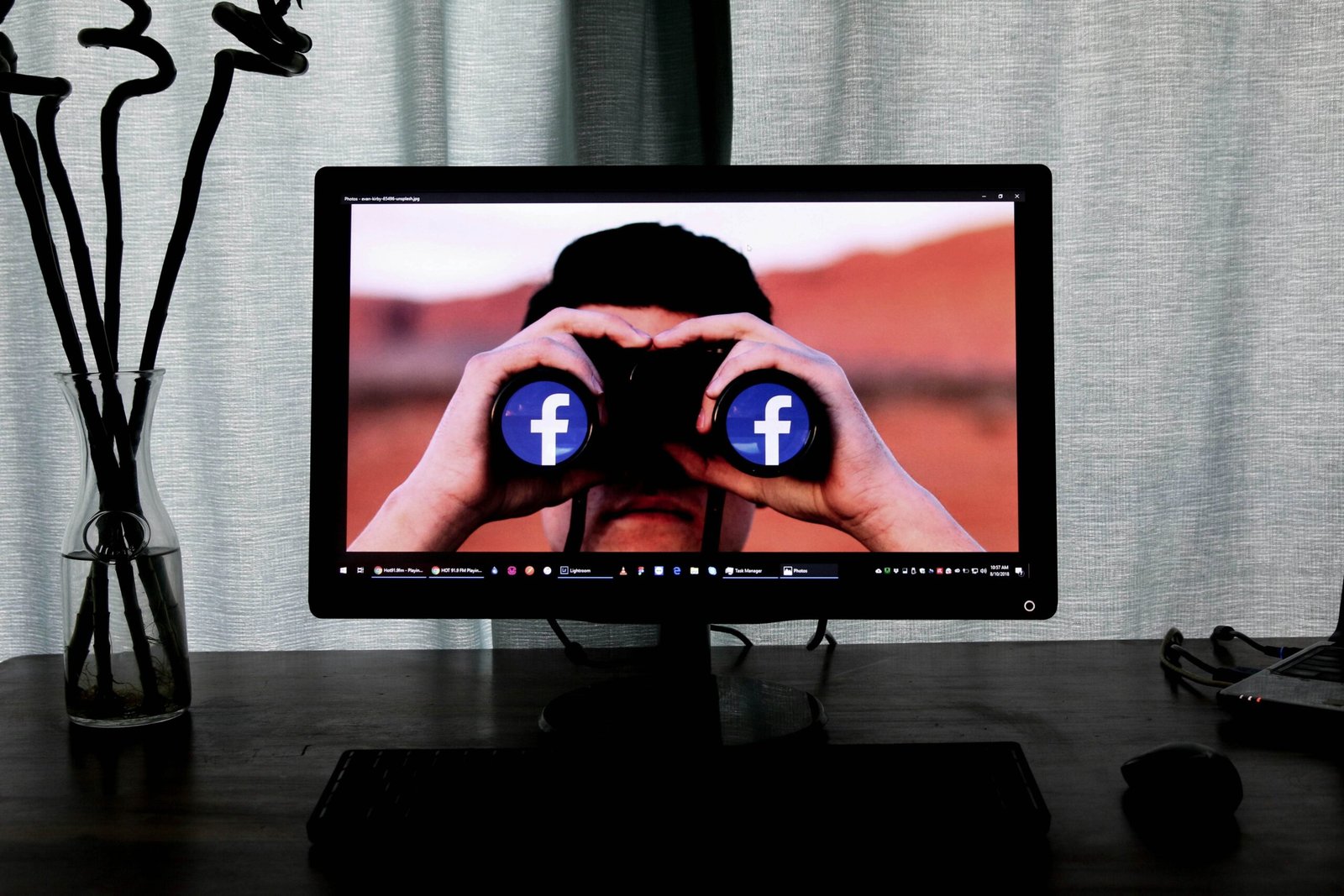
The internet is changing radically. User privacy is now taking center stage, and the notorious cookies, which for years formed the “backbone” of tracking, are gradually being phased out. How does this affect web design and development? Can we know what is happening on our site without spying on our visitors?
Let’s look at all the answers through simple questions and answers.
Q1: Let’s start with the basics. What exactly are cookies and why are they “dying”?
Answer: Imagine cookies as small text files that a site leaves in your browser (e.g., in Chrome or Firefox) to remember information about you.
- There are First-party cookies (the “good” cookies), which remember if you have enabled dark mode or what you have left in your shopping cart.
- However, there are also Third-party cookies (cookies from third parties). These are placed by advertising companies or external tools and “follow” you to whichever site you go to, recording your habits in order to show you targeted advertisements.
Why are they dying? Because users and laws (like the GDPR in Europe) demanded privacy protection. Major browsers (Safari, Firefox, and gradually Chrome) are now blocking these third-party cookies.
Q2: If cookies are eliminated, how will we measure traffic on our site? Will we lose Analytics?
Answer: No, we won’t be left in the dark! The method of measurement is simply changing. We are moving to Privacy-First Analytics (analytics that respect privacy).
Instead of relying solely on traditional, heavy configurations of Google Analytics, the industry is splitting into two paths:
- Advanced implementation of Google Analytics 4 with Consent Mode V2, which uses AI and machine learning to estimate missing data when users decline cookies.
- Switching to dedicated, lightweight Privacy-First tools (such as Plausible, Fathom, or self-hosted Matomo) that bypass the need for consent banners entirely by never collecting personal data in the first place. These tools do not recognize who you are (they do not keep names, IPs, or personal information). They simply measure events. That is, they record that “an anonymous visitor clicked this button” or “viewed this page.” This way, you have all the stats you need (visits, popular articles) without violating anyone’s privacy.
Q3: We hear the terminology “Server-Side Tagging” a lot. What does this mean in plain words?
Answer: Until today, tracking was done Client-Side (on the client/user side). Meaning, the visitor’s browser loaded a bunch of foreign scripts (codes) from Google or Facebook and sent the data directly to them. This weighed down the site and left the user exposed.
In Server-Side Tagging (implementation on the server side), things become more “internal.” The user’s browser talks only to our own server (e.g., it sends the data to metrics.szoupi.com). Then, our own server takes over to clean this data (delete IPs, etc.) and send to Google or elsewhere only what is absolutely necessary and anonymous. The user is safe, and the site is not “loaded” with foreign codes.
Q4: Meaning, if I build a cookieless site, can I make those annoying Cookie Banners disappear?
Answer: Yes! And this is the greatest gift to Web Design. The pop-up windows asking you to “Accept all cookies” were created because of third-party cookies and legislation.
If you design a site that uses privacy-first analytics and Local Storage (a browser technology that keeps the user’s preferences locally, without sending them to any server), then you don’t need a cookie banner. The visitor enters the site and immediately enjoys the content without annoying pop-ups.
Q5: How does all this affect the speed and appearance (UI/UX) of the site?
Answer: The cookieless era is good for your site’s health!
- In UX (User Experience): The design becomes clean again. There are no banners cutting the screen in half, especially on mobile phones.
- In Performance (Speed): Privacy-first analytics scripts are incredibly “lightweight” (often under 2KB, whereas traditional trackers are 50KB+). This means the site loads lightning-fast, pages respond better, and your scores on Google Lighthouse (the Core Web Vitals that measure page quality) skyrocket.
Conclusion
The cookieless era is not the end of analytics, but the end of mass surveillance. For us designers and developers, it is the perfect opportunity to build faster, cleaner, and more ethical websites. The future of the web is fast, beautiful, and private!
Photo by Glen Carrie on Unsplash